




Removals cost comparison Harlington real cost vs DIY van hire
Posted on 02/06/2026
If you are weighing up a move in Harlington, the decision often sounds simple on paper: hire a van and do it yourself, or pay for a professional removals service. In practice, it is rarely that neat. A proper Removals cost comparison Harlington real cost vs DIY van hire has to include more than the headline price. You need to think about fuel, mileage, time off work, insurance, parking, lifting risk, damage, and the very real possibility that the "cheap" option becomes the expensive one by late afternoon.
This guide breaks the choice down in plain English. We will look at the actual cost drivers, where DIY van hire can save money, where it usually costs more than people expect, and how to decide what makes sense for your move. If you want a fuller look at local moving options, the services overview is a useful place to start, and for a more local service breakdown you can also explore removals in Harlington.
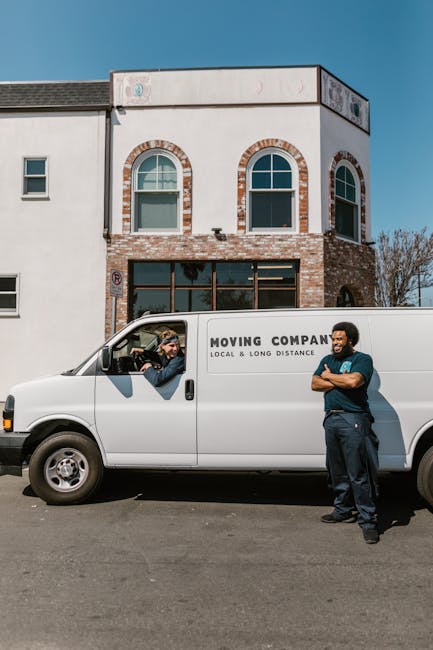
Why Removals cost comparison Harlington real cost vs DIY van hire Matters
The phrase "real cost" is doing a lot of work here. A DIY van hire quote may look lower at first glance, but that figure is only the vehicle. It does not always reflect the whole moving day experience. Once you add in fuel, congestion, extra journeys, packing materials, and the human cost of lifting a wardrobe up a narrow stairwell, the budget can change quickly. Harlington homes and flats also vary a lot in access, which matters more than people think. A move from a ground-floor flat near a main road is one thing; a top-floor property with tight parking and awkward access is another entirely.
This comparison matters because moving is already stressful. Most people are not trying to win a logistics award; they are trying to get from A to B with their furniture intact and their nerves in one piece. Truth be told, the cheapest option is not always the cheapest if it leads to delays, injuries, or damage. And let's face it, nobody wants to spend the first evening in the new place nursing a strained back and trying to remember where the kettle ended up.
There is also a time factor. DIY moving consumes hours in a way that many people underestimate. You might save on labour, but you pay for it in planning, loading, driving, unloading, and returning the van. If you are moving around a busy London corridor, the time pressure can be even more noticeable. For a broader look at how local moving support can reduce friction, our article on peaceful moving strategies pairs well with this comparison.
How Removals cost comparison Harlington real cost vs DIY van hire Works
The comparison works best when you split moving into separate cost buckets. That is the cleanest way to avoid false savings. Start with the direct, visible expenses and then layer in the hidden ones. A professional removal quote often bundles many of these into one figure, while DIY scatters them across different decisions.
Here is the basic structure:
- Transport cost: van hire, fuel, mileage, parking, and any congestion-related expenses.
- Time cost: your own time, help from friends or family, and time off work.
- Equipment cost: straps, blankets, trolleys, boxes, tape, and protective covers.
- Risk cost: damage to items, property scuffs, breakages, or injury.
- Stress cost: the planning, coordination, and sheer unpredictability of doing it yourself.
Professional removals usually include the vehicle, trained lifting, loading support, and a more structured process. DIY van hire puts those responsibilities on you. That sounds manageable until the sofa sticks halfway through the hallway. Then the day takes on a different tone. A bit more serious, a bit less cheerful.
If your move involves bulky furniture, a piano, or delicate items, the comparison shifts further. You may find it helpful to read furniture removals in Harlington and piano removals in Harlington to see where specialist handling becomes relevant. For the practical side of moving household items, the guides on packing essentials when switching homes and moving a bed and mattress are worth a look too.
Key Benefits and Practical Advantages
Each option has real advantages, and the right one depends on your situation rather than a generic rule. DIY van hire can work well for smaller moves, flexible schedules, or people with strong helping hands. Professional removals, on the other hand, tend to win when the job is physically awkward, time-sensitive, or simply too large to handle comfortably.
DIY van hire benefits:
- Potentially lower upfront cost for very small loads.
- Full control over timing and packing order.
- Useful if you already have reliable helpers.
- Can suit student moves, single-room moves, or a few large items.
Professional removals benefits:
- Less physical strain and lower injury risk.
- Faster loading and unloading in most cases.
- More suitable for stairs, awkward access, and fragile furniture.
- Often better protection against avoidable damage.
There is another benefit that people overlook: mental bandwidth. When you are trying to organise utilities, keys, cleaning, children, pets, or a last-minute handover, having moving support can feel like a relief rather than a luxury. If you are preparing a smaller move or a flat relocation, the pages on flat removals Harlington and student removals Harlington may help you judge the fit more clearly.
Who This Is For and When It Makes Sense
This comparison is especially useful if you are:
- moving on a tight budget and need to know what DIY really costs;
- comparing quotes and want to spot hidden extras;
- moving from a Harlington flat with tricky access or limited parking;
- trying to move larger furniture without paying for a full house move;
- balancing cost against convenience and safety.
DIY van hire can make sense if your move is genuinely light, the distance is short, and you can pack and load efficiently. For example, a one-bed move with boxed essentials and a few pieces of furniture may be manageable if you are organised, fit, and have help. But if you are moving wardrobes, white goods, or anything awkward, the maths starts to change. Fast.
Professional removals usually become the stronger choice when:
- you have heavy or awkward furniture;
- you are short on time;
- you do not have enough helping hands;
- you want reduced risk of damage or injury;
- you need same-day or short-notice support.
For urgent situations, the article on same-day removals in Harlington is a practical companion. And if your move has that "everything is happening this week" energy, you may also find same-day removals Harlington useful as a service option to review.
Step-by-Step Guidance
The easiest way to judge the real cost is to work through the move in order, not just by vehicle price. Here is a simple approach.
- List everything you need to move. Count furniture, boxes, appliances, and awkward items. Be honest. A half-filled "small" van can become a full day if you have underestimated the load.
- Measure access at both properties. Check stair width, doorway clearance, lift access, and parking distance. A van parked two streets away is not the same as one at the front door.
- Price van hire properly. Include the rental, fuel, mileage, insurance excess, deposit, and any extra hours or late return fees.
- Add moving equipment. Boxes, tape, blankets, bungee straps, sack trucks, gloves, and floor protection all cost something.
- Estimate labour realistically. If you are asking friends to help, factor in goodwill, timing, food, and whether they are actually able to lift the heavier items.
- Compare with a removals quote. Look at what is included: packing help, loading, transport, unloading, and safety handling.
- Consider the risk of breakage or injury. One damaged mattress, scratched wall, or strained shoulder can wipe out the supposed savings.
A small but useful tip: build a "stress buffer" into your decision. If DIY looks only slightly cheaper than a removals quote, the service option is often better value because the margin is not large enough to justify the extra effort. That is not a sales line; it is just common sense.
Expert Tips for Better Results
Moving well is often about avoiding the sneaky costs before they appear. A few practical habits can make a noticeable difference.
- Declutter before you compare. Less volume means less van space, less loading time, and fewer boxes. Our guide on decluttering tips for moving is genuinely useful here.
- Pack by room and weight. Keep heavy books in smaller boxes and protect fragile items properly. It sounds obvious, but heavy mixed boxes are where backs go to complain.
- Label access issues early. Narrow staircases, basement flats, controlled parking zones, and building rules should all be mentioned before moving day.
- Reserve the right van size. Too small means multiple trips. Too large can create parking and handling issues. The right fit is the sweet spot.
- Protect mattresses, sofas, and wood furniture. The right wrapping matters, especially in damp or dusty conditions. See sofa storage and protection guidance for a related practical approach.
One thing people rarely say out loud: a good moving day starts the night before, not on the morning itself. If the boxes are still open while the kettle is boiling and you are hunting for tape, you are already in the weeds. A calmer prep routine helps more than most people expect.
If you are moving anything unusually heavy, the article on solo heavy lifting tips and the one on kinetic lifting methods can help you understand safer body positioning and movement habits.

Common Mistakes to Avoid
A lot of DIY moving budgets go wrong in the same few places. The mistakes are predictable, which is annoying, because they are also avoidable.
- Only comparing the van rental price. That is the classic trap. Real cost includes several layers.
- Underestimating loading time. Sorting, carrying, and stacking always takes longer than people expect.
- Ignoring parking and access. In Harlington, the difference between easy parking and a long carry can be the difference between a smooth move and an exhausting one.
- Using the wrong packing materials. Thin boxes collapse, overfilled boxes split, and fragile items need proper padding.
- Assuming friends can lift anything. Friends are helpful. They are not an unlimited lifting resource, sadly.
- Forgetting insurance gaps. Check what the van hire covers and what it does not. The risk is often in the fine print.
There is also a subtle mistake people make: choosing DIY because it feels more controlled. Sometimes it is. Sometimes it is just more admin. If you want to reduce the chance of hidden extras, the article on avoiding hidden fees in Harlington removals is a smart read before booking anything.
Tools, Resources and Recommendations
You do not need a warehouse full of kit, but the right tools make a clear difference to both cost and safety.
- Strong boxes and tape: ordinary supermarket boxes are fine for light items, but not for a whole move.
- Blankets and covers: protect corners, wood finishes, and upholstery.
- Straps and ropes: help stabilise items in transit so they do not shift around.
- Gloves and sensible shoes: small things, yes, but they matter when loads get awkward.
- Trolley or sack truck: very useful for fridges, washing machines, and multiple box runs.
For packing supplies, the page on packing and boxes in Harlington is a logical next step. If you need somewhere temporary for items that do not fit the timeline, storage in Harlington can also help reduce pressure on moving day.
There are a few planning resources worth pairing with this topic too. The cleaning guide cleaning essentials before moving day is useful for end-of-tenancy prep, and the freezer storage piece preserving your freezer during a move is a nice reminder that not every moving problem is about boxes. Sometimes it is about what to do with the frozen peas.
Law, Compliance, Standards and Best Practice
This section is not about legal jargon for its own sake. It is about moving safely and sensibly. In the UK, anyone arranging a move should think about practical duty of care: protecting people, property, and items in transit. If you are hiring a van yourself, you are responsible for how it is loaded, how safely you drive it, and whether you are complying with the rental terms. If you use a removals company, you should still check what is included, what insurance applies, and what their handling process looks like.
Best practice usually means:
- not overloading vehicles;
- using proper lifting techniques;
- securing furniture so it does not move in transit;
- keeping walkways clear to reduce trip hazards;
- checking building rules, parking rules, and timing restrictions before the move;
- understanding any claims process if something goes wrong.
It is also sensible to review a company's trust pages before booking. The site's health and safety policy, insurance and safety information, terms and conditions, and payment and security page are all useful for understanding how a professional service handles the practical side of moving. That kind of transparency matters. Quietly, it matters a lot.
Options, Methods, or Comparison Table
Here is a straightforward comparison to help you judge the trade-offs without the usual fluff.
| Factor | DIY van hire | Professional removals |
|---|---|---|
| Upfront price | Often lower at first glance | Usually higher headline quote |
| Hidden costs | Fuel, mileage, equipment, parking, time | Fewer extras if the quote is clear |
| Physical effort | High | Much lower for the customer |
| Damage risk | Higher if loading is improvised | Lower when handled by trained movers |
| Time required | Usually longer | Usually faster and more structured |
| Best for | Light, simple, short moves | Furniture-heavy or time-sensitive moves |
If you are still undecided, compare the likely value rather than the cheapest receipt. The local service pages man with a van Harlington, man and van Harlington, and removal van Harlington can help you see how the service style changes depending on what you need moved.
Case Study or Real-World Example
Picture a fairly typical Harlington move: a one-bedroom flat, a bed frame, mattress, small sofa, dining chairs, a TV, a couple of shelves, and around twenty boxes. On paper, DIY van hire looks attractive. You book a van for the morning, ask two friends to help, and plan to do it in one trip.
Then the day arrives. The van is parked further away than expected. The mattress is awkward in the stairwell. One box has been overpacked and the bottom gives way. A lamp gets wrapped in a hurry and needs extra attention. Nothing dramatic, but the day stretches. Lunch becomes a rushed sandwich. By the time you return the van, you are tired in a way that is hard to describe unless you have done it yourself.
Now imagine the same move with a removal team. The price may be higher upfront, but the lifting, loading, transport, and unloading are handled in a more organised way. The biggest furniture items are moved with the right technique, the van space is used efficiently, and the chances of a second trip fall sharply. You still have a moving day, of course, but it feels more like a process and less like a scramble.
That is the heart of this comparison. DIY can work beautifully for some moves. But when access is awkward or the load is heavy, a slightly higher quote can be better value. If your move involves a high street property, a time window, or a tight turnaround, the article affordable house removals Harlington high street specialists gives useful local context.
Practical Checklist
Use this before you choose between removals and DIY van hire.
- Have I listed every item to move, including awkward furniture?
- Have I measured access at both addresses?
- Have I included fuel, mileage, insurance, and parking in the DIY figure?
- Do I have enough help for lifting and loading?
- Do I have the right boxes, tape, covers, and straps?
- Have I checked whether anything needs specialist handling?
- Would taking the DIY route cost me time off work or extra stress?
- Have I compared the removal quote against the true total DIY cost?
- Am I clear on insurance, claims, and terms if I book a service?
- Would I rather save money, or save energy and reduce risk?
Quick rule of thumb: if the move is small and simple, DIY may be fine. If the move is large, awkward, time-pressured, or physically demanding, professional support tends to win on overall value. Not every time, but most of the time.
Get a free quote today and see how much you can save.
Conclusion
Choosing between removals and DIY van hire in Harlington is really a question of total value, not just price tags. DIY can be sensible for light, straightforward moves where you already have help and the access is easy. But once you include hidden costs, labour, damage risk, and the exhaustion that comes with doing everything yourself, the picture often changes. A professional service may cost more on paper and less in the real world.
The smartest approach is to compare like with like: vehicle cost, fuel, equipment, time, and risk. If the difference is small, convenience and safety start to matter more. If the difference is large and the move is simple, DIY may still be the right call. Either way, making the decision with your eyes open is what saves money and stress.
For local guidance, practical support, or to understand the team behind the service, you can also visit the about us page. Sometimes the best move is the one that lets you breathe a little easier.