






Harlington council parking permits for removals what to know
Posted on 10/06/2026
Harlington council parking permits for removals: what to know before moving day
Moving house in Harlington sounds simple until the van arrives and you realise the closest legal space is not actually close at all. That's where Harlington council parking permits for removals come in. If you are arranging a home move, a flat clearance, or even a bulky furniture job, parking can make the difference between a calm move and a stressful one with lots of unnecessary carrying, delays, and muttered sighs in the rain.
Truth be told, most moving problems do not begin with the boxes. They begin with access. A removal van parked too far away can add time, extra handling, and risk. This guide explains what to know, how the process usually works, what to check before booking, and how to avoid the small mistakes that can turn into expensive headaches. If you want the practical side of moving in Harlington, this is the place to start.
![A utility van with York Council branding, equipped with a mounted cherry picker, is positioned on a street in Harlington during daytime. The cherry picker is extended upward, with a worker in high-visibility orange clothing and a safety helmet operating the equipment from the van’s elevated platform, likely engaged in tree maintenance or street work. The van is parked near a sidewalk with metal barriers set up around the working area, and a red and white signage board indicating visitor information for York Council is visible nearby. In the background, multi-story brick residential buildings, some with open windows, and leafless trees suggest a late autumn or winter setting. The scene includes other maintenance vehicles, equipment, and workers wearing orange safety vests, illustrating a typical city maintenance or utility operation related to the area’s moving or logistical arrangements, possibly connected to home relocations or street parking permits managed by [COMPANY_NAME].](/pub/blogphoto/harlington-council-parking-permits-for-removals-what-to-know1.jpg)
Why Harlington council parking permits for removals what to know Matters
Parking is one of those moving-day details people often leave until the last minute. Then, suddenly, it becomes the main event. If your removal van cannot park close to the property, every item has to be carried further. That sounds minor until you're walking a sofa across a narrow path, or ferrying boxes through a busy street while neighbours are trying to get past. Not ideal.
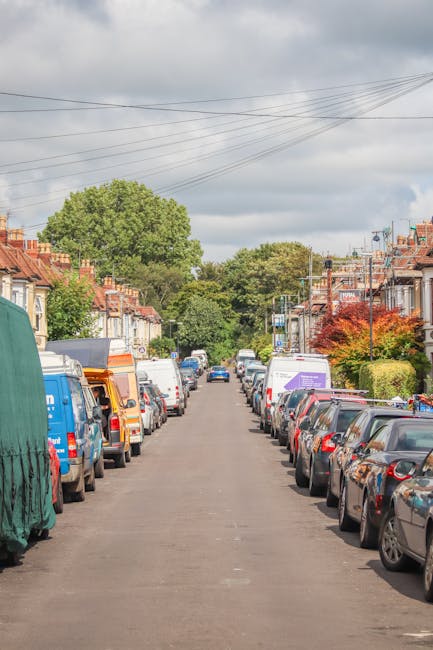
In a busy London area like Harlington, access can be tight, streets can fill quickly, and local parking controls may apply at certain times. A parking permit, bay suspension, or temporary parking arrangement may be needed depending on the location and the nature of the move. The exact process can vary, so it's worth checking early rather than assuming there will be space waiting outside.
This matters for more than convenience. Good parking access can reduce:
- carrying distance and physical strain
- time spent loading and unloading
- the chance of damaged furniture or scratched walls
- the risk of a van receiving a parking ticket
- stress for you, the movers, and anyone else involved
For larger moves, especially where there are stairs, heavy items, or tight entrances, parking becomes part of the moving plan, not an afterthought. If you are arranging a broader move, you may also find it useful to look at removals in Harlington and the wider removal services overview to see how access planning fits into the whole job.
How Harlington council parking permits for removals what to know Works
The exact rules depend on the street, the type of parking restriction, and whether you need a permit, a dispensational arrangement, or a temporary suspension of a bay. In plain English, you are usually trying to make sure the removal vehicle can stop legally and safely near the property for the time it needs.
Here's how the process generally works in practice:
- Check the street restrictions - look at the signs outside the property and note any controlled parking times, loading restrictions, single yellow lines, resident bays, or permit-only areas.
- Confirm the moving date and time - some restrictions are time-based, so what works at 9 a.m. might be very different at 2 p.m.
- Find out what the council expects - local parking arrangements can differ, and the council may have a specific route for removals-related parking requests.
- Allow enough lead time - this is the bit people underestimate. Don't leave it to the night before if you can help it.
- Keep evidence and confirmation - once approved, keep the reference, dates, and any instructions in writing.
Sometimes people ask whether a moving company can handle this for them. Often the answer is yes, or at least partly. A good mover will tell you what parking access they need and whether they can work with the space available. For example, if you are using a man and van service in Harlington, the operator may need less space than a larger vehicle, but they still need legal access and a safe loading point.
One small but important point: a permit is not always the same as a guarantee of an empty space directly outside the door. Sometimes it only gives legal permission to park where restrictions might otherwise apply. So, yes, you still need a practical plan if the space is taken by a neighbour's car or a delivery van. Moving day loves a surprise, doesn't it?
Key Benefits and Practical Advantages
Parking arrangements may sound dull on paper, but they genuinely improve the move. A sensible permit plan can make the whole job feel calmer and more organised. There is nothing glamorous about carrying a fridge an extra thirty metres because someone parked in the ideal spot. Nobody enjoys that bit.
Here are the main advantages:
- Better efficiency - the closer the van, the quicker loading and unloading tends to be.
- Less physical pressure - shorter carrying distances mean lower strain on backs, shoulders, and hands.
- Improved safety - movers can work with fewer obstructions and less roadside exposure.
- Lower damage risk - fewer trips and less handling can mean fewer knocks and scuffs.
- Fewer parking issues - no one wants a penalty notice arriving after a stressful move.
There is also a quieter benefit: confidence. When access is sorted, everything else feels easier. Boxes are stacked properly, the van is positioned well, and everyone knows what they are doing. If you've ever moved while juggling a phone call, a tape gun, and a landlord's key handover, you'll know that any reduction in chaos is welcome.
Good parking planning also supports specialist moves. Heavy furniture, fragile items, and awkward access all benefit from a sensible vehicle position. For example, if you are moving a delicate instrument, piano removals in Harlington require particularly careful access planning. The same goes for large wardrobes or beds, where closer parking can make an awkward job far more manageable.
Who This Is For and When It Makes Sense
Not every move needs council parking arrangements, but many do. If your property is on a narrow street, in a permit zone, near busy shops, or in a controlled parking area, it is worth checking early. Even if the move looks easy from inside your front window, the street outside may tell a very different story.
This topic matters especially for:
- Home movers who are relocating from a terraced house, semi-detached home, or townhouse
- Flat movers where shared access, limited kerb space, or loading restrictions are common
- Students moving in or out with tight timelines and minimal parking tolerance
- Office teams shifting equipment, files, and furniture in a short window
- People with bulky items such as sofas, beds, appliances, or pianos
If you are moving on a tight deadline, the parking question becomes even more important. A same-day booking, for example, may leave very little room for wriggle room. In those cases, it helps to review options such as same-day removals in Harlington and make parking part of the first conversation, not the last.
Sometimes the issue is not the council at all, but access to a private road, shared driveway, or estate-managed bay. That is why it helps to think broadly. The right question is not just "Do I need a permit?" but "How will the van actually get close enough to do the job properly?"
Step-by-Step Guidance
If you want to keep things simple, follow this process. It is not fancy, but it works.
- Check your address and street signs
Walk outside and read the parking signs carefully. Note any resident bays, loading restrictions, pay-and-display areas, or short-stay limits. A quick photo on your phone can be very handy later. - Measure access realistically
Look at the width of the street, the turning space, and how far the van may need to sit from the entrance. If there are bollards, low trees, or awkward corners, mention them early. - Choose the moving window
Where possible, pick a time that avoids peak parking pressure. Early morning can sometimes be easier, but local conditions vary. A school run or market day can change everything. - Ask what the mover needs
Different vehicles and services need different setups. A smaller vehicle from a man with a van in Harlington may fit more easily than a larger removal van, though both still need legal access. - Confirm the council process if required
If the street is controlled, check whether a permit, suspension, or notification is needed. Don't guess. Guessing is how people end up paying for mistakes they could have avoided in five minutes. - Keep proof and contact details handy
Save confirmation emails, reference numbers, and any instructions in your phone. On the day, you do not want to be rummaging through a kitchen box looking for an email while the kettle is already packed. - Prepare a backup plan
If the ideal bay is taken, know where the next best legal stop is. A little flexibility goes a long way.
One practical tip from real moving days: always ask someone in the household to keep an eye on the space if that is possible. A parked car can derail the best plan. It happens. A lot, actually.
Expert Tips for Better Results
Here are the details that make the biggest difference and often get overlooked.
Plan access before the packing frenzy
People often pack in a rush and only think about parking once the boxes are stacked in the hallway. Better to sort the access question first. That way, if you need extra time or a different unloading plan, you still have room to adjust.
Match the vehicle to the job
Not every move needs the biggest van on the road. Sometimes a smaller, more agile vehicle is the smarter choice in a tight Harlington street. If your move includes lots of furniture, it may be worth reviewing furniture removals for the kind of handling and access the job may require.
Think about the route from van to front door
That route matters just as much as the parking space itself. Are there steps? A narrow gate? Wet paving slabs? A long walk across a forecourt? These little things add up and affect how smoothly the day runs.
Bundle parking with packing and labour planning
Parking is linked to how many trips the crew needs to make, how boxes are stacked, and what gets loaded first. Smart packing can reduce carrying time and space used in the van. If you are still at the packing stage, packing and boxes in Harlington can help you think through materials and organisation.
Keep the weather in mind
Harlington weather can be a bit of everything in one day. A wet pavement, a windy corner, and a too-far-away van make a tougher combination than people expect. On a damp morning, even the best-planned move feels slower, so good access matters even more.
And one more thing: if a mover sounds vague about parking, press for specifics. Not rude. Just sensible.
Common Mistakes to Avoid
A lot of parking trouble is preventable. The common mistakes are usually small on their own, but together they can make the day messy.
- Leaving parking checks until the day before - by then, options may be limited.
- Assuming the street is fine because someone else parked there once - rules change by bay, time, and location.
- Not telling the removal team about access issues - if they do not know, they cannot plan for them.
- Forgetting about loading restrictions - a space that looks available may not be usable for a removal vehicle.
- Ignoring the unloading side of the job - it is not enough to get the van in; you need it positioned well for carrying too.
- Not arranging a resident or neighbour space warning - if you live in a shared area, communication can save a lot of bother.
There is also the classic mistake of underestimating how long the move will take. If you have a small flat, you might think parking is no big deal. Then one awkward sofa, one broken lift, and one long wait later, you're wishing you had planned it differently. We've all seen it.
In some cases, the best solution is simply to use a service that understands local access challenges. You can read more about the broader approach on the services overview page and the local removal companies in Harlington page if you are comparing providers.
Tools, Resources and Recommendations
You do not need a giant kit list to manage parking well, but a few simple tools make life easier.
- Phone camera - take photos of street signs, bay markings, and access points.
- Notes app or moving checklist - keep permit details, timings, and contact names in one place.
- Tape measure - useful if you need to estimate clearance or doorway width.
- High-visibility plan for the day - not literally a coat for everyone, but a clear understanding of where the van goes and who is guiding it.
- Boxes and packing materials - organised packing reduces the time the van needs to stay parked. That's one of those small wins that feels bigger on the day.
Useful supporting services can also help the move flow better. If you are moving a flat, browsing flat removals in Harlington may give you a better sense of how compact properties are handled. For larger homes, house removals in Harlington is worth a look. And if you need help storing items because access or timing is awkward, storage options in Harlington can be a smart pressure release valve.
If you are planning a move with fragile or oversized items, the right support matters. A simple example: if you're getting ready for a piano move, read the advice on safe piano transportation before you decide how access should be arranged. A little reading now can save a lot of strain later.
Law, Compliance, Standards, and Best Practice
This part needs a careful tone. Parking controls and permit rules can vary by street and by local authority process, so you should always verify current requirements directly before moving day. That's the safest approach, and honestly the most sensible one.
Best practice usually includes:
- checking local parking restrictions early
- keeping permits, confirmations, or references available on the day
- making sure the vehicle is parked legally and without blocking access routes
- following any time limits or conditions attached to the permit or arrangement
- coordinating with neighbours, building management, or landlords where needed
There is also a safety angle. Removal work involves lifting, carrying, and loading in live traffic or shared spaces. Good parking reduces rushing, and rushing is where mistakes happen. For that reason, moving teams often treat access planning as part of their safety process, alongside handling methods and protection of property. You can see more about that practical mindset in the health and safety policy and the company's insurance and safety information.
If there is any uncertainty, ask before the move. Better a slightly awkward email than a van circling the block while everyone stands around with folded arms. Been there, seen that.
Options, Methods, and Comparison Table
Different moves call for different parking approaches. Here is a straightforward comparison to help you decide what feels realistic.
| Option | Best for | Advantages | Limitations |
|---|---|---|---|
| On-street legal parking without extra arrangements | Quiet streets with clear legal loading space | Simple, fast, no extra admin | May be impossible in permit-controlled or busy areas |
| Temporary permit or council arrangement | Controlled streets or places with limited resident parking | Improves legal access and reduces ticket risk | Requires planning and confirmation |
| Bay suspension or reserved access | Moves needing guaranteed space near the property | More predictable unloading position | Usually needs more lead time and may be restricted |
| Smaller van or split move | Tight streets, flats, or awkward access | More flexible, easier to manoeuvre | May require more trips |
| Storage-first approach | Moves with delayed access or staggered handovers | Reduces pressure on the moving day itself | Not ideal if you need everything moved in one go |
For some households, the answer is not "bigger parking" but "smarter move planning". If you know access will be tight, you might choose a more flexible moving method, or combine the move with storage. That can be the difference between a chaotic day and a manageable one.
Case Study or Real-World Example
Here's a realistic example based on the kind of move people commonly face in Harlington.
A couple moving from a first-floor flat booked a van for early morning. The flat was on a road with limited parking and a few resident bays. At first, they assumed one of the bays would be free. By the weekend, it was not. A neighbour had parked across the ideal spot, and the van would have had to stop a fair distance away.
Instead of scrambling, they had already checked the street restrictions, saved the relevant details, and chosen a vehicle size suitable for a tighter road. The mover positioned the van in the nearest legal space available, and because the packing was organised in advance, the loading went smoothly. The crew still had to work carefully, but the day stayed controlled.
The little win here was not dramatic. No one clapped. No ribbon was cut. But the move was quicker, there were fewer carry trips, and the couple avoided the kind of last-minute panic that tends to show up right when the mattress needs to go downstairs. That, in removals, counts as success.
It also shows why it helps to align parking with packing and route planning. If a bulky item needs special handling, such as furniture or a musical instrument, access becomes even more important. That is why pages like moving your bed and mattress and solo heavy lifting tips are useful supporting reads when you are mapping out the day.
Practical Checklist
Use this simple checklist before moving day. It is the kind of list that stops silly problems from becoming big ones.
- Check the parking signs outside both properties
- Confirm whether a permit, bay suspension, or special arrangement is needed
- Tell the removal team about access issues early
- Save all confirmation details in your phone
- Measure the distance from the legal parking point to the front door
- Look for steps, narrow gates, low walls, or other obstacles
- Choose a moving time that reduces parking pressure where possible
- Ask a neighbour or household member to help watch for space changes if appropriate
- Have a backup parking option ready
- Keep essentials separate so the van can unload without delay
Quick expert summary: the best parking plan is the one that reduces walking distance, avoids legal trouble, and fits the real layout of the street. Simple, but not always easy. Still, it is worth the effort.
For the best moving experience, combine access planning with the rest of your move preparation. If you are still at the early stage, the guides on packing essentials for switching homes, decluttering before a move, and cleaning essentials before moving day can help you build a smoother plan from the start.
Get a free quote today and see how much you can save.
Conclusion
Harlington council parking permits for removals are not just admin. They are part of a proper moving plan. When parking is sorted, everything else tends to feel easier: the loading, the carrying, the timing, even the mood in the room. And let's face it, moving day needs all the calm it can get.
The key is to check early, confirm the local requirements, and build access into your move before the van turns up. If you are moving from a busy street, a flat with limited space, or a property with awkward access, a small amount of planning can save a surprising amount of stress.
When you get the parking right, the move starts to breathe a bit easier. That's the real win.
![A utility van with York Council branding, equipped with a mounted cherry picker, is positioned on a street in Harlington during daytime. The cherry picker is extended upward, with a worker in high-visibility orange clothing and a safety helmet operating the equipment from the van’s elevated platform, likely engaged in tree maintenance or street work. The van is parked near a sidewalk with metal barriers set up around the working area, and a red and white signage board indicating visitor information for York Council is visible nearby. In the background, multi-story brick residential buildings, some with open windows, and leafless trees suggest a late autumn or winter setting. The scene includes other maintenance vehicles, equipment, and workers wearing orange safety vests, illustrating a typical city maintenance or utility operation related to the area’s moving or logistical arrangements, possibly connected to home relocations or street parking permits managed by [COMPANY_NAME].](/pub/blogphoto/harlington-council-parking-permits-for-removals-what-to-know3.jpg)

