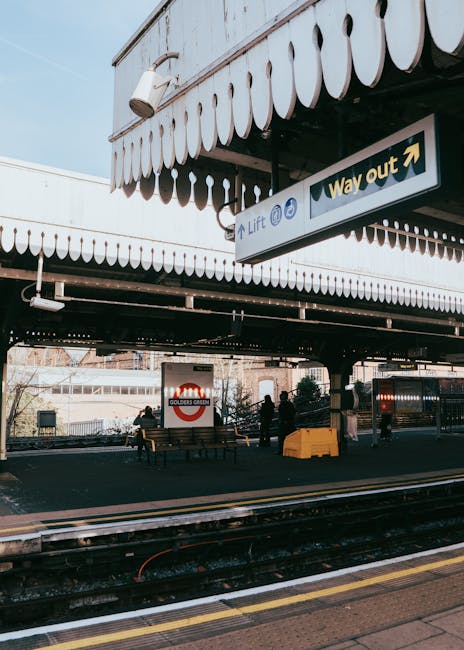
Hayes and Harlington station pickup tips for removals
If you are planning a move near Hayes and Harlington station, the pickup part can make or break the day. One minute you think it is just a quick collection, the next you are dealing with station traffic, awkward waiting spots, a train coming in, and a removals van that has nowhere obvious to stop. That is exactly why Hayes and Harlington station pickup tips for removals matter so much. A little local know-how saves time, avoids stress, and keeps everything moving without the usual scramble.
In this guide, we will walk through how station-side pickups actually work, what to watch out for, who benefits most, and how to plan a smoother handoff whether you are collecting a few pieces of furniture or organising a larger move. You will also find a practical checklist, a real-world example, and the sort of small, useful details that make moving day feel less like chaos and more like a plan.
Quick takeaway: The best station pickup is rarely the fastest-looking one. It is the one where the van can stop safely, the items are ready to go, and everyone knows the timing before the first bag leaves the pavement.
Why Hayes and Harlington station pickup tips for removals Matters
Stations are busy places. Hayes and Harlington is no exception, especially during commuter hours when the roads near the forecourt, side streets, and access points can feel tighter than they look on a map. For removals, that matters because the simplest collection can turn messy if the vehicle cannot pull in cleanly, if the load is not ready, or if the pickup timing clashes with peak footfall.
The main reason this topic deserves attention is simple: removals are not just about transport, they are about sequence. The order of events matters. Where does the van wait? Who brings the item out? Is the pickup from the station entrance, nearby residential street, or a property within walking distance? What happens if a train delay changes the arrival time? These are the small questions that decide whether a move feels controlled or chaotic.
In practice, station-adjacent pickups often involve a mix of luggage, boxed household items, furniture collected from a seller, or belongings being moved after a short-term stay. You may only have a few minutes to load safely, so every step needs to be thought through before the van arrives. To be fair, this is where many people underestimate the job. A "quick pickup" can still need proper planning.
There is also the issue of public space. The closer you are to a station, the more likely you are to face restrictions, passing pedestrians, taxi movements, or short waiting windows. Even when nothing is officially "difficult," the environment itself creates pressure. Good pickup planning reduces that pressure immediately.
How Hayes and Harlington station pickup tips for removals Works
The idea behind a station pickup is straightforward: the vehicle meets the load at a pre-agreed point, the items are transferred quickly and safely, and the van leaves without blocking access or causing delay. Simple on paper. A bit less simple on a damp Thursday at 8:15 in the morning when everyone else wants to pass through the same road.
For removals near Hayes and Harlington station, the process usually works best when you separate it into three stages:
- Pre-arrival planning: confirm exactly where the pickup will happen, what is being collected, and whether there are access issues such as stairs, narrow entrances, or limited stopping space.
- On-the-day positioning: the driver or removal team arrives with enough margin to assess traffic, park safely, and keep the loading route short.
- Fast, secure loading: items are moved from the pickup point to the van in a controlled way, with packaging and lifting handled properly.
That sequence sounds obvious, but it is where a lot of delays happen. People often plan the "collection" but not the logistics around it. For example, if a sofa is coming from a flat near the station, it is not enough to know that the sofa exists. You need to know whether the item fits through the hallway, whether there is lift access, and whether the van can stop close enough to keep the carry distance manageable.
Station pickups can also be shaped by timing. Early morning may offer lighter traffic but tighter commuter movement around the station. Midday can be calmer, though not always. Later in the day, the road can become stop-start again. There is no single perfect slot, which is why local judgment matters so much.
If you are comparing service options, it helps to understand the difference between general moving support and more tailored local handling. A provider that offers man and van style help may be enough for lighter collections, while larger household jobs may call for fuller removal services. The right choice depends on volume, access, and how much lifting is involved.
Key Benefits and Practical Advantages
Good pickup planning around the station brings some very real advantages. Not glamorous ones, perhaps, but the kind that save the day.
- Less waiting time: if the pickup point is agreed clearly, the van is not circling the area looking for a gap.
- Lower risk of damage: short carry distances and correct loading reduce the chance of knocks, scrapes, or dropped items.
- Better timing control: when you know the route and pickup point, it is easier to plan the rest of the move.
- Improved safety: station roads can be busy and uneven; a thoughtful setup avoids rushed lifting.
- Less stress for everyone: that sounds soft, but honestly it matters. A calm handover changes the whole tone of the day.
There is a financial side too. Time wasted on confusion or repeated attempts at loading can push a move beyond its original estimate, especially if the team is booked by the hour. Careful planning around the station can help you stay closer to your expected schedule. And if you are comparing quotes, it is worth looking at how the service is structured; some jobs are better suited to a flexible van-and-driver setup, while others need a more comprehensive move. For guidance on pricing structure, the site's pricing and quotes page is useful to review before you commit.
Another advantage is neighbour and public courtesy. Near a station, people notice blocked access quickly. A neat, efficient pickup tends to keep everyone happier. That is not just manners. It often means fewer interruptions.
Who This Is For and When It Makes Sense
These tips are especially useful if you are handling any kind of pickup near Hayes and Harlington station and you want the process to feel organised rather than improvised. That includes:
- people moving from a flat, studio, or shared house nearby
- students or renters collecting furniture from a seller or storage point
- families moving household items in stages
- small businesses collecting stock, fixtures, or office items
- anyone arranging a same-day pickup with limited notice
It also makes sense when you are trying to avoid bringing a large vehicle into an area before you know whether it can stop safely. A tiny collection can still need a proper plan, and a larger move absolutely does. Truth be told, most problems are not caused by the items themselves but by the access around them.
If your move involves a whole property, you may need something closer to a structured home move rather than a one-off collection. In that case, a service such as home moves or even house removals may be the better fit. If it is only furniture or a few bulky pieces, then a lighter vehicle option can be more efficient.
This is also relevant for people who are unsure whether the station area will be easy to access on the day. If there is any doubt, a bit of advance planning is worth it. Ask yourself: can the van stop safely? Can the load be brought out without dragging through a long route? Will the pickup happen during a busy travel window? Those are the questions that steer the decision.
Step-by-Step Guidance
Here is a practical way to manage a station-side pickup without overcomplicating it.
1. Confirm the exact pickup point
Do not settle for "near the station." That is too vague. Identify the exact road, entrance, or collection spot. If you are meeting a seller or collecting from a property close to the station, make sure the address and landmark are both clear. A driver can work with precise information; guesswork is another matter.
2. Check access before the van arrives
Look at the road with a moving-day mindset. Where can a van stop? Is there space for loading? Are there any height restrictions, barriers, or tight turns? If the route includes stairs, narrow hallways, or a shared entrance, note that in advance. You would be surprised how much this improves the whole job.
3. Book the right vehicle size
Choosing the right vehicle is a classic moving decision. Too small, and you may need a second trip. Too large, and you might struggle to stop or manoeuvre comfortably. If you are moving only a few items, a moving van or removal van may be enough. For bulkier or mixed loads, you may need something more substantial.
4. Pack for speed and safety
Items should be ready to load when the vehicle arrives. Use sturdy boxes, wrap fragile pieces, and keep screws, leads, and small fittings in labelled bags. If there is furniture, consider whether it needs dismantling in advance. A chair that fits awkwardly through a doorway can cost more time than you expect. For more packing structure, packing and unpacking services can help if you do not want to manage that part alone.
5. Time the pickup wisely
Try to avoid the busiest commuter periods where possible. If the pickup must happen at a busy time, allow a little extra margin. A small buffer can be the difference between a smooth lift and an awkward wait while traffic clears.
6. Load in the correct order
Put the heaviest and most stable items in first, then fill gaps with smaller boxes or soft items. Use straps or blankets to prevent movement. If the load includes fragile pieces, place them where they will not be crushed. It sounds basic, I know, but basics are what keep things safe.
7. Do a final check before departure
Before the van pulls away, check that nothing is left on the pavement or in the pickup area. It is easy to forget a bag or accessory when everyone is focused on the big items. A quick final scan saves a second journey back.
Expert Tips for Better Results
Over time, the little things make the biggest difference. Here are the habits that tend to improve station pickups most consistently.
- Share photos in advance: a picture of the pickup spot, staircase, item size, or parking area can remove a lot of uncertainty.
- Pre-label everything: even if it is only a few boxes, labels help the unloading side of the day run faster.
- Protect floors and doorframes: if the collection point is a home or office near the station, a bit of floor covering or corner protection can prevent scuffs.
- Keep essentials separate: keys, chargers, documents, medication, and travel items should not be buried in the load.
- Leave a margin for delays: trains, traffic, and weather all have opinions on your schedule. Best not to argue with them.
A good local mover will also think about where the vehicle can be seen and accessed without causing obstruction. If the pickup involves a shop, office, or mixed-use building, it may be worth considering commercial moves style planning rather than treating it like a simple domestic job.
One more small tip: if you are collecting from a seller or landlord, keep the handover conversation short and clear. Agree the time, confirm the item list, check condition quickly, and load. Long discussions on a crowded pavement rarely help anyone.
Common Mistakes to Avoid
Most pickup headaches come from a handful of repeat mistakes. These are the ones worth watching.
- Assuming there will be space: station areas can look manageable until a bus, taxi, or delivery vehicle arrives.
- Not measuring items: a wardrobe, sofa, or desk that looks fine in photos can be awkward in real life.
- Leaving packing until the van arrives: this is a classic time sink and, honestly, a stressful one.
- Using vague instructions: "Meet me by the station" is not enough on a busy day.
- Ignoring access restrictions: stairs, narrow passages, and shared entrances matter more than people expect.
- Underestimating loading time: even a small load can take longer than planned if the route is tight or the items are awkward.
There is also the mistake of choosing a service on price alone without checking whether it suits the job. A very cheap option may not include enough time, vehicle space, or support for a station-area pickup. If you want to understand what is included and what is not, the company's removals and removal company pages are worth comparing with your actual needs.
And then there is the classic final mistake: forgetting the weather. A light drizzle, a slippery kerb, or a gust of wind down an open road near the station can slow everything down. Nothing dramatic. Just enough to matter.
Tools, Resources and Recommendations
You do not need a huge kit for a successful pickup, but a few practical items make the process smoother. If you are moving near the station, think in terms of usefulness rather than overpacking the van with gadgets nobody asked for.
| Item | Why it helps | Best for |
|---|---|---|
| Sturdy boxes | Protects contents and makes carrying easier | General household items, books, kitchenware |
| Blankets or wraps | Reduces knocks and scratches | Furniture, appliances, delicate finishes |
| Straps | Keeps items stable in the van | Mixed loads, tall furniture, stacked boxes |
| Gloves | Improves grip and protects hands | Loading on rough or chilly days |
| Trolley or sack truck | Speeds up heavier carries | Boxes, white goods, bulky items |
| Labels and marker pen | Improves sorting and unloading | Multi-room or multi-stop moves |
For people working through a move more broadly, it can also help to look at decluttering and item preparation before the pickup. A good place to start is the practical advice in decluttering tips for moving, especially if you want to avoid paying to move things you no longer need.
If you are transporting special items, choose tools and handling methods that suit the object, not just the job. A piano, for instance, is not a standard furniture move. Nor is a freezer. Those need more care, more weight planning, and more patience than most people first expect. The same goes for awkward stair access or tight entryways; you may want to read about stair access problems and common solutions if that sounds familiar.
Law, Compliance, Standards and Best Practice
For a station pickup, the practical side is usually more important than the legal side, but compliance still matters. You should never block access, load in an unsafe way, or create a hazard for pedestrians or other road users. In UK moving work, that means the basics: safe lifting, safe parking, appropriate insurance, and sensible planning.
If a vehicle is stopping near public access points, the driver should do so responsibly and within the normal expectations of road safety and local access. If a pickup is happening from a business or a property with specific access rules, those should be respected too. It is also wise to use a mover that is clear about insurance and safety procedures. The site's insurance and safety information is a useful place to understand how professional handling is framed.
Best practice also includes honest booking details. If the job involves stairs, a tight stairwell, limited parking, or fragile items, say so up front. That is not just helpful, it is part of a safer and more reliable service. The same applies to payment and booking terms; a clear understanding of what is included avoids misunderstandings later. If needed, review payment and security and the terms and conditions before confirming anything.
And yes, if you are arranging a pickup after an exchange or from a rented property, be considerate. Keep paths clear, avoid blocking neighbours, and leave the area tidy. It is basic professionalism, really, but it goes a long way.
Options, Methods, or Comparison Table
Not every station pickup needs the same approach. Here is a simple comparison to help you decide which method fits best.
| Method | Best for | Pros | Trade-offs |
|---|---|---|---|
| Self-managed pickup | Very small loads and short distances | Lower direct cost, flexible timing | Higher risk of delays, lifting strain, and access problems |
| Man and van | Furniture, boxes, or light removals | Good balance of cost and support | May be limited for larger house moves |
| Full removals team | Whole-home or complex moves | More help, better for bulky items and structured loading | Usually more expensive and may be more than you need |
| Mixed approach | Multi-stage moves or items collected from different places | Flexible and efficient if planned well | Requires clearer coordination |
For many people near Hayes and Harlington station, the man-and-van option strikes the best balance. It is especially handy if you need a quick local collection rather than a full property move. If your move has more volume or involves several rooms, a broader removal services approach often makes life easier. A smaller job may be best served by a simpler vehicle arrangement, while a bigger job benefits from more hands.
One practical note: if you are comparing costs, remember that the cheapest-looking option is not always the best value. Extra journeys, waiting time, or poor access planning can erase any saving pretty quickly. Been there, seen that.
Case Study or Real-World Example
Here is a realistic example from a typical local-style move. A customer needed to collect a sofa, a coffee table, and six boxes from a flat a short walk from Hayes and Harlington station. At first glance, it sounded simple. The issue was the timing. The pickup was planned for late morning, but the road near the station was still fairly busy, and the property had a narrow stairwell with a shared entrance.
The fix was straightforward but needed discipline. The customer confirmed the exact access point in advance, grouped the boxes by room, removed loose fittings from the coffee table, and kept a clear path from the flat to the van. The driver arrived a little early to check stopping space, then waited in a legal loading position close enough to keep the carry short. The sofa was wrapped before moving, the items were loaded in the correct order, and the whole job finished without any faffing about.
What made that collection successful was not speed alone. It was preparation. There was no heroic lifting, no last-minute guessing, and no "we'll figure it out when the van arrives" drama. That is the difference a good pickup plan makes. Small job, smooth day.
If the same pickup had included a larger inventory, the customer might have needed a more structured house move or even a specialist service like house movers. Instead, a compact vehicle and clear coordination were enough. Right tool for the job, basically.
Practical Checklist
Use this checklist before the pickup day. It is simple, but it works.
- Confirm the exact pickup address and meeting point
- Check whether the van can stop safely near the station area
- Measure bulky items and note awkward dimensions
- Pack boxes securely and label fragile items clearly
- Prepare furniture for loading or dismantle where needed
- Keep keys, documents, chargers, and essentials separate
- Share access notes, stair details, and parking restrictions in advance
- Choose the right vehicle size for the load
- Allow extra time for traffic or commuter movement
- Inspect the load before departure so nothing is left behind
If your move includes unwanted items, it can also be smart to think about what should not travel with you. The team at furniture pick up can be a useful fit when you are dealing with single items or staged collections, while broader house clearance-style planning may require something else entirely.
Helpful reminder: if you are unsure about parking, access, or item size, ask before the day rather than after the van is on site. That one question can save a surprising amount of hassle.
Conclusion
Hayes and Harlington station pickup tips for removals are really about one thing: making a busy local pickup feel manageable. When you know where the van can stop, how the items will be moved, and what timing works best, the whole job becomes calmer. You do not need a perfect plan. You just need a good one.
Whether you are collecting a sofa, moving boxes from a flat, or arranging a more involved local removal, the same principles apply: be specific, prepare early, and keep the handover simple. That is what saves time, protects your items, and keeps the day from turning into a running joke that nobody asked for.
If you want a move that feels organised rather than rushed, take a moment to plan the access, the vehicle, and the loading order before you book. It really does pay off.
Get a free quote today and see how much you can save.
Frequently Asked Questions
What are the most important Hayes and Harlington station pickup tips for removals?
The most important tips are to confirm the exact pickup point, check vehicle access, prepare items in advance, and avoid busy timing where possible. Clear planning is the difference between a quick collection and a frustrating wait.
Can a removals van stop near Hayes and Harlington station?
Sometimes yes, but it depends on the time of day, the road layout, and local traffic. It is best to check access in advance rather than assume the van will be able to pull up right outside.
Is a man and van service enough for a station pickup?
Often it is, especially for small to medium loads such as boxes, furniture, or single-room moves. For larger or more complex jobs, a fuller removals service may be the better choice.
How early should I arrange a pickup near the station?
As early as you reasonably can. Even a simple pickup benefits from advance notice, particularly if the load is bulky, the access is tight, or the timing needs to avoid commuter traffic.
What should I do if the pickup point is on a narrow street?
Share that detail before the booking is confirmed. Narrow streets can affect vehicle size, loading time, and whether the van can wait nearby. It helps to send a photo if possible.
Do I need to pack everything before the van arrives?
Yes, ideally. Ready-to-load items make the pickup faster, safer, and less stressful. If packing is a concern, using packing support can make the process much smoother.
What if I only have one large item to collect?
That is still worth planning properly. A single sofa, wardrobe, or appliance can be harder to move than a stack of smaller boxes. Measure it, check access, and make sure the vehicle is suitable.
How can I avoid damage during a station-area pickup?
Use protective wrapping, carry items with enough people, keep the loading route clear, and secure the load inside the van. Damage often happens when items are rushed or stacked badly.
Are there special rules I should know about for loading near a station?
Yes, you should always avoid blocking roads or pedestrian routes and follow normal road safety expectations. If the pickup is on private property, respect the building's access rules too.
What is the best time of day for a pickup near Hayes and Harlington station?
There is no perfect time, but avoiding peak commuter periods usually helps. Mid-morning or early afternoon can sometimes be easier, though local conditions vary day by day.
Can I combine a station pickup with a house move?
Yes, and that is fairly common. If the job includes multiple stops or a larger volume of belongings, it may be better to plan it as a structured home move rather than a quick collection.
How do I know which removal option is right for me?
Think about load size, access, timing, and how much help you need with lifting or packing. Small jobs can suit a simple vehicle and driver setup, while bigger moves usually need more support.